.svg)
.svg)
.svg)
Post
10 Common Orthodontic Problems and How They Are Treated
A straight, healthy smile is more than just aesthetics; it can impact your confidence, oral health, and even your ability to chew properly. But sometimes, achieving that perfect smile requires orthodontic intervention. If you're considering orthodontic treatment, you're likely wondering what common problems orthodontists in Fordham Road address and how they're fixed.
Let's explore the most common orthodontic problems and explore the various treatment options available.
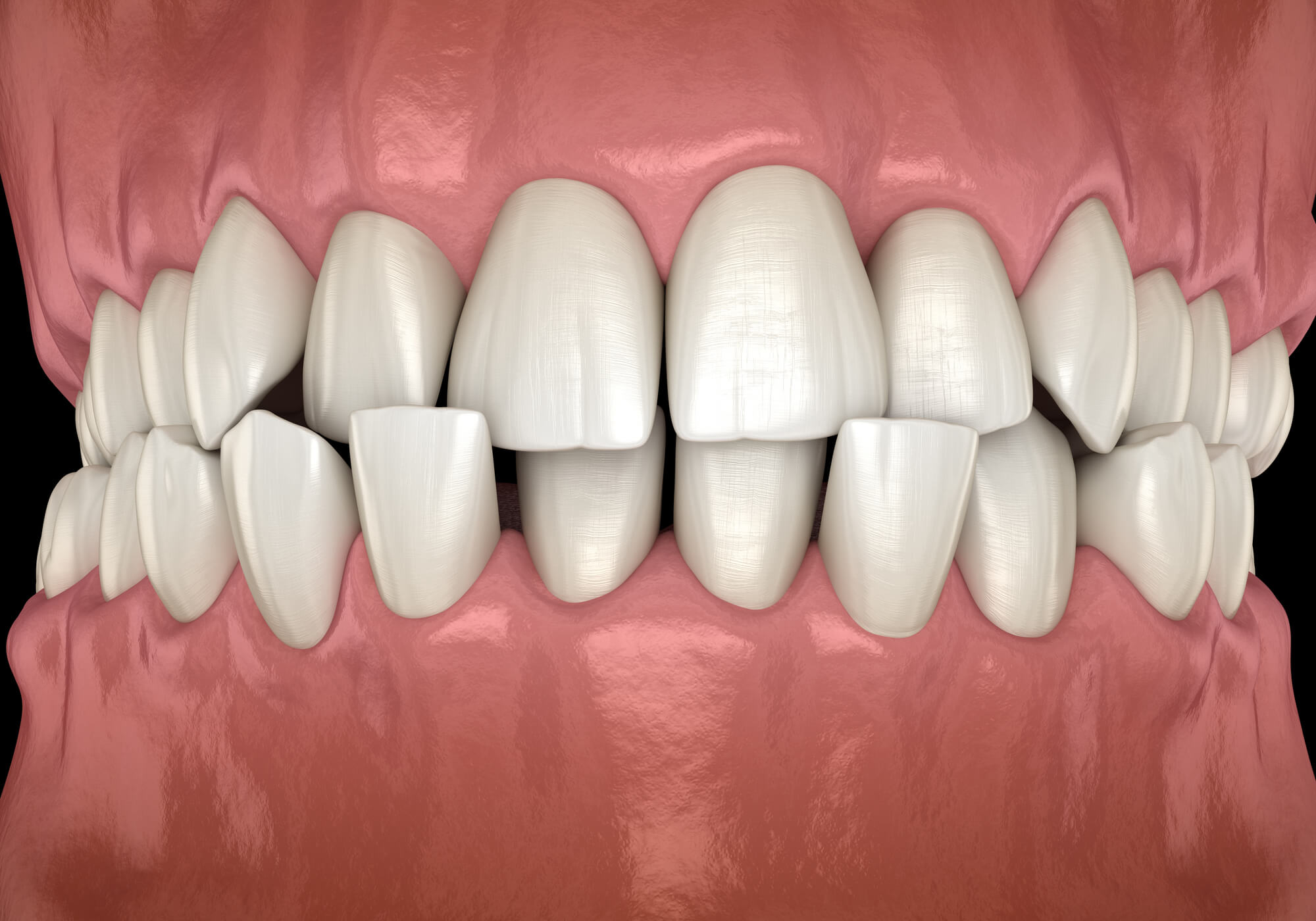
10 Common Orthodontic Problems
1. Crowding
Crowding is a prevalent orthodontic issue where there's insufficient space in the jaw for all teeth to erupt properly. This leads to overlapping, crooked teeth, making cleaning difficult and increasing the risk of cavities and gum disease.
Treatment: Braces are the most common solution for crowding. Traditional metal braces or clear ceramic braces gently apply pressure to move teeth into their correct positions. Invisalign, a system of clear aligners, can also be effective for mild to moderate crowding.
2. Spacing
The opposite of crowding, excessive spacing involves gaps between teeth. This can be caused by missing teeth, small teeth, or a large jawbone. While not as detrimental to oral health as crowding, spacing can impact speech and aesthetics.
Treatment: Depending on the severity, your orthodontist may recommend braces or clear aligners to close the gaps. In some cases, elastics (small rubber bands) are used to pull specific teeth together. For significant gaps, cosmetic dentistry options like veneers or dental bonding might be considered.
3. Malocclusions
Malocclusion is a general term for any misalignment in the bite, affecting how the upper and lower teeth meet. Here are three common types of malocclusions:
- Overbite: Upper teeth significantly overlap the lower teeth. Braces or aligners can correct this by moving the upper teeth back or the lower teeth forward.
- Underbite: Lower teeth protrude in front of the upper teeth. Treatment may involve braces, headgear (to hold back the lower jaw), or even jaw surgery in severe cases.
- Crossbite: When some upper teeth bite inside the lower teeth instead of outside. Braces or aligners are used to adjust the bite and achieve proper tooth alignment.
4. Open Bite
An open bite occurs when the upper and lower front teeth don't meet when closing the mouth. This can cause difficulty chewing, speech problems, and even jaw pain.
Treatment: Braces with specific elastics or clear aligners designed to address open bite are common treatment options. In some cases, additional appliances might be used to help achieve proper closure.
5. Deep Bite
A deep bite is when the upper teeth significantly overlap the lower teeth vertically, almost completely covering them. This can lead to excessive wear and tear on the lower teeth and jaw problems.
Treatment: Braces or aligners are used to adjust the bite and create a more balanced overlap between the upper and lower teeth.
6. Diastema
A diastema is a specific gap between the two upper front teeth (central incisors). While sometimes considered a cosmetic concern, a large diastema can affect speech and oral hygiene.
Treatment: Depending on the cause and size of the gap, treatment options may include braces, aligners, or cosmetic dentistry procedures like bonding or veneers.
7. Impacted Teeth
When a permanent tooth doesn't erupt properly and gets stuck within the jawbone, it's considered impacted. This can happen due to lack of space, misaligned teeth, or other developmental issues.
Treatment: X-rays and examinations help determine the best course of action. In some cases, braces or aligners can create space for the impacted tooth to erupt. However, surgery might be necessary to remove any obstacles and guide the tooth into place.
8. Protruding Teeth
Teeth that protrude excessively can be susceptible to injury and affect speech. Upper front teeth that protrude significantly are often called "buck teeth."
Treatment: Braces with specific mechanics or clear aligners can be employed to retract protruding teeth and create a more balanced profile. In severe cases, tooth reshaping or jaw surgery might be considered.
9. Midline Discrepancy
When the centerlines of your upper and lower front teeth don't align, it's called a midline discrepancy. This can cause an asymmetrical smile and may be caused by uneven jaw growth or missing teeth.
Treatment: Braces or aligners are typically used to reposition the teeth and achieve proper midline alignment. In some instances, additional procedures might be required to address underlying jaw issues.
10. Jaw Problems
Underlying jawbone issues can contribute to various orthodontic problems. These can be related to the size, shape, or position of the jaw.
Treatment: Depending on the specific jaw problem, treatment may involve orthodontics alone (braces or aligners) or a combination of orthodontics and jaw surgery for comprehensive correction.

Considering Orthodontic Treatment?
If you're experiencing any of the orthodontic problems mentioned above or simply have concerns about your smile, consulting with a qualified orthodontist in Fordham Road is the first step. They will conduct a comprehensive examination, including X-rays and digital scans, to diagnose the specific issue and recommend the most suitable treatment plan.
Treatment Options Beyond Braces and Aligners
While braces and clear aligners are the most common orthodontic treatments, other appliances might be used in specific situations. These can include:
- Headgear: Worn for several hours a day, headgear applies outward pressure to slow down or control jaw growth.
- Palatal Expanders: These appliances widen the upper jaw to create space for crowded teeth.
- Lip and Cheek Bumpers: These discourage habits like thumb sucking or tongue thrusting that can contribute to orthodontic problems.
- Retainers: Following active treatment with braces or aligners, retainers are essential to maintain the achieved results and prevent teeth from shifting back.
The Importance of Early Intervention
Early orthodontic intervention, particularly in children, can often prevent more complex problems from developing later in life. Regular dental checkups from a young age allow dentists to identify potential issues early and determine if referral to an orthodontist is necessary.

Say Goodbye to Orthodontic Problems by Trusting Your Orthodontist in Fordham Road
Ready to achieve the smile of your dreams? At Perfect Smile Doc, we specialize in transforming smiles with personalized orthodontic care. Whether you're dealing with crowded teeth, an overbite, underbite, or any other orthodontic issue, our expert team is here to help you every step of the way. Contact us today to schedule an appointment!
Not Sure if You’re Covered?
Your Perfect Smile is within reach, and we're here to help you every step of the way. We can streamline the process for you by contacting your insurance company and acquiring a detailed breakdown of your specific plan information. Let us take the guesswork out of navigating insurance and payment options.
Learn More

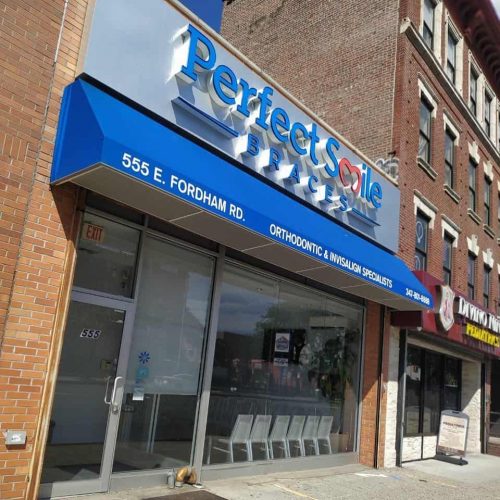
555 E FORDHAM RD BRONX, NY 10458
MONDAY TO FRIDAY 9:00 AM – 6:00 PM
SATURDAY 8:00 AM – 2:30 PM
B
D
4
Bx12
Bx12+
Bx9
Bx15
Bx17
Bx22
Bx41
Bx34 B Bx1
Bx2
BxM4
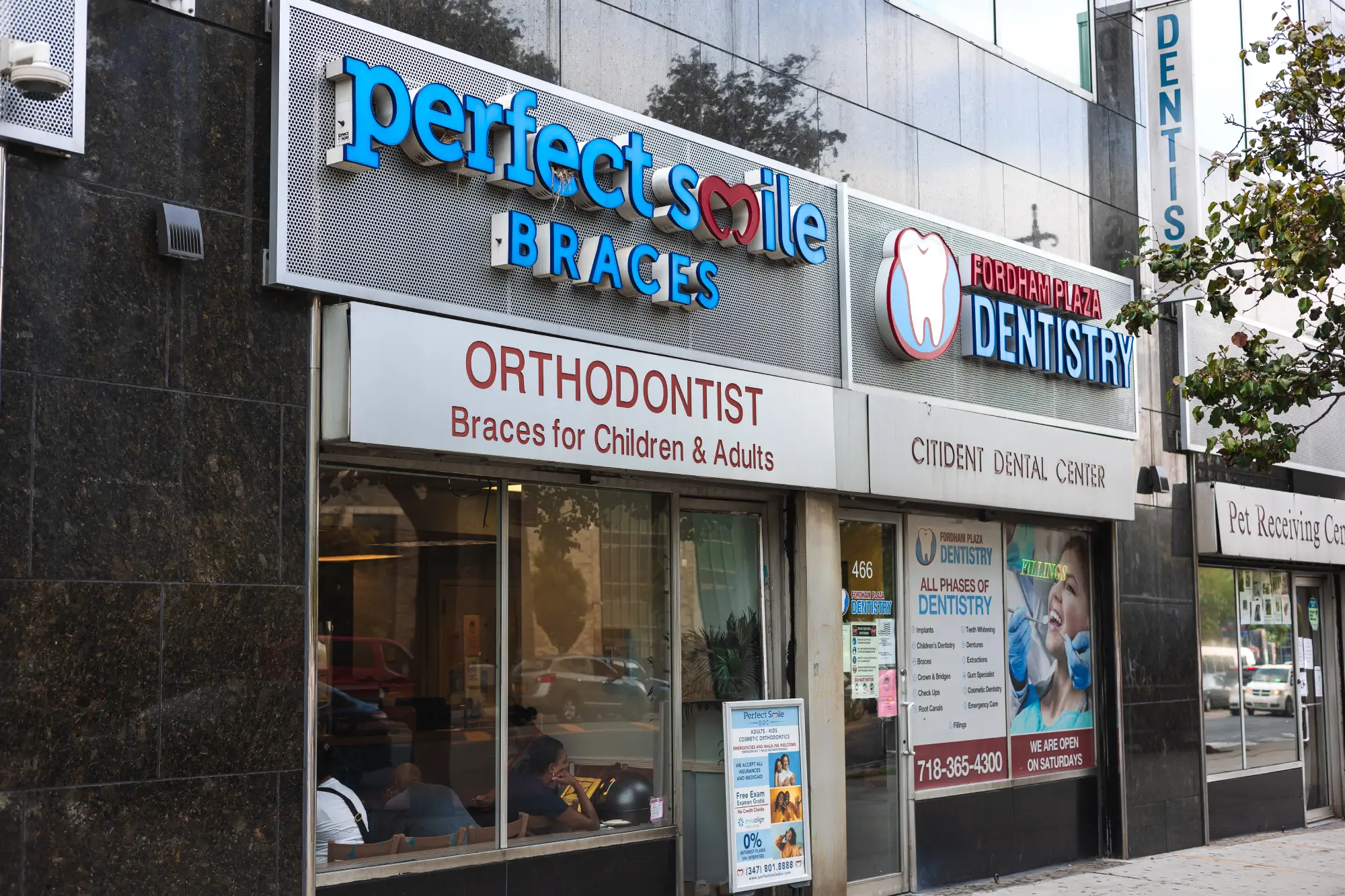
468 E FORDHAM RD BRONX, NY 10458
MONDAY TO FRIDAY 9:00 AM – 6:00 PM
SATURDAY 8:00 AM – 2:30 PM
B
D
4
Bx12
Bx12+
Bx9
Bx15
Bx17
Bx22
Bx41
Bx34
Bx1
Bx2
BxM4
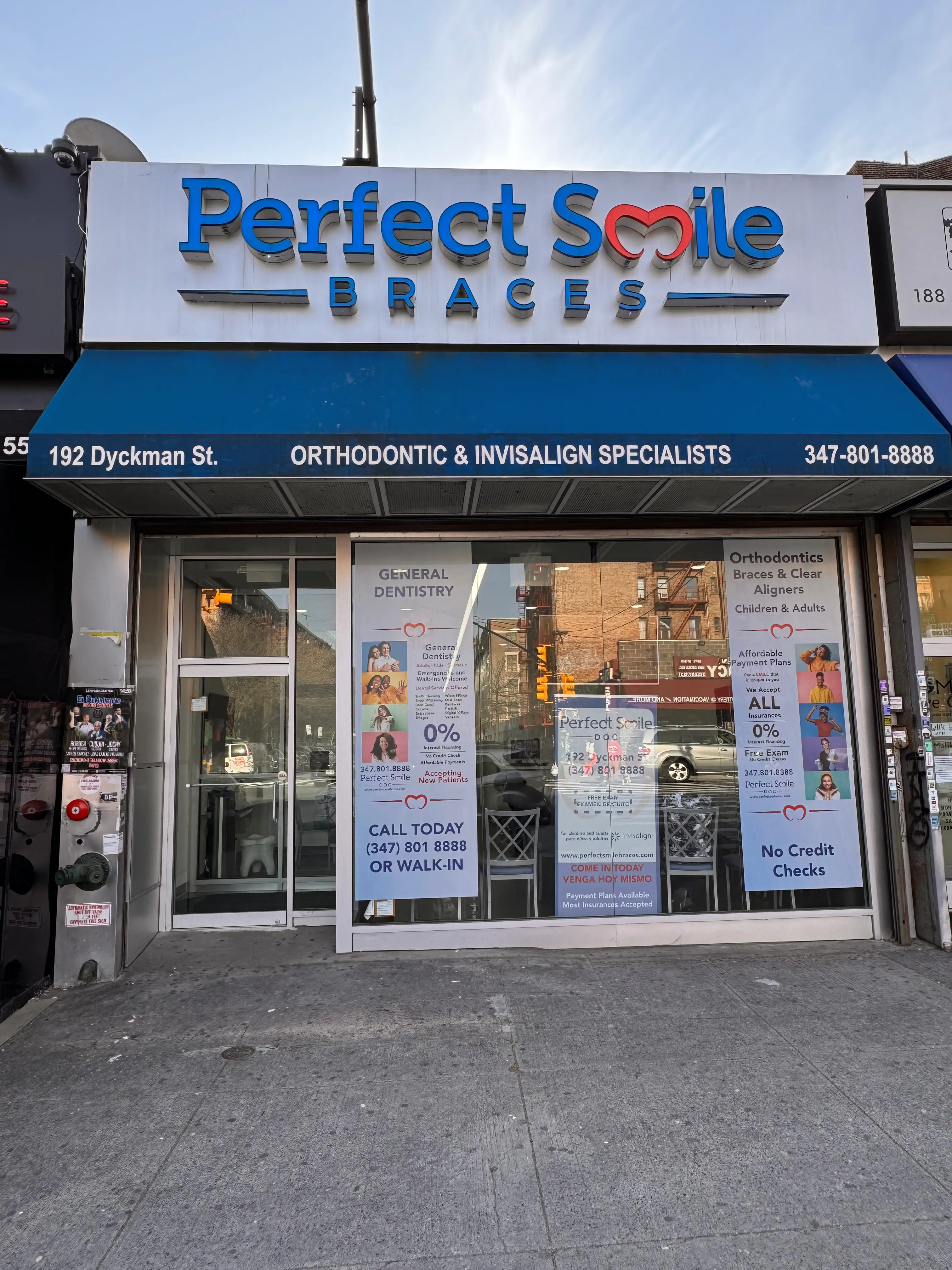
192 Dyckman St New York, NY 10040
MONDAY TO FRIDAY 9:00 AM – 6:00 PM
SATURDAY 8:00 AM – 2:30 PM
A
1
M100
Bx7
BxM1
Bx12
Bx12-SBS
Bx20
M3

Perfect Smile Doc provides orthodontic care, including braces, Invisalign, and retainers, for patients across the Bronx and Manhattan. Schedule your appointment today and experience our commitment to excellence and personalized care!
.svg)
.svg)
.svg)
© 2025. © Perfect Smile Doc Invisalign & Braces in the Bronx & Washington Heights | Privacy Policy | ADA Compliance