
.svg)
.svg)
.svg)
Post
Dental Implants: Are They a Safe Option for You?
Dental implants are among the most popular choices for those looking to replace missing teeth. They don’t just offer a more permanent solution but also promise a natural look and feel. But how safe are they really? What should you consider before opting for dental implants in Dyckman, and could there be any potential risks?
Let's break down everything you need to know about dental implants—from how they work and why they’re generally safe to the possible complications and how to ensure a successful procedure.
.jpeg)
What Makes Dental Implants a Safe Option?
Dental implants are designed to mimic the structure of natural teeth. They're made from durable materials, primarily titanium or zirconia, which are known for their strength and biocompatibility. But what exactly does that mean?
Biocompatibility
Titanium, widely used in dental implants, is popular due to its high compatibility with the body. When placed into the jawbone, it gradually fuses with the bone in a process called osseointegration. This bond forms a strong foundation for the replacement tooth, making it feel and function like a natural tooth.
Zirconia Implants
Zirconia implants are an alternative for those with allergies or sensitivities to metals. This ceramic material is also biocompatible and offers similar stability.
Long-term Success
Studies have shown that dental implants boast a success rate of over 95%. With proper care, they can last for decades, making them one of the most durable options for tooth replacement.
The procedure itself is usually done under local anesthesia, which minimizes discomfort and ensures safety. For most patients, recovery is straightforward with minimal side effects like swelling or mild pain, which usually subside within a week.
Are There Any Risks Involved?
While dental implants are generally safe, like any medical procedure, they do come with potential risks. Understanding these risks can help you make an informed decision.
Infection
Infections at the implant site are among the most common complications. While these are often manageable with antibiotics, they require prompt treatment to prevent more serious issues. Maintaining a sterile environment during surgery and following strict post-op care are crucial for preventing infection.
Peri-Implantitis
This is a specific type of infection that occurs in the tissue around the implant, similar to gum disease. It can lead to inflammation, bone loss, and ultimately, implant failure if not treated promptly. Good oral hygiene and regular dental check-ups are key to preventing peri-implantitis.
Implant Failure
Implant failure refers to cases where the implant doesn’t successfully bond with the bone or becomes loose over time. It can happen for various reasons, including poor bone quality, excessive biting forces, or underlying health conditions like uncontrolled diabetes or smoking. While rare, implant failure may require removal and replacement.
Nerve Damage
In rare cases, nerve damage can occur, leading to pain, numbness, or tingling in the surrounding teeth, gums, or lips. This risk is minimized through a thorough evaluation of the jaw structure before the procedure.
Sinus Issues
For implants placed in the upper jaw, there’s a small risk of them protruding into the sinus cavity, which could lead to sinus problems. This is rare and usually detected early during the planning phase with detailed X-rays or CT scans.
The good news is that these complications are not common, and most patients have successful outcomes. Discussing your medical history thoroughly with your dentist is key to assessing your individual risks.
.jpeg)
Who Is at Higher Risk for Complications?
There are certain factors can increase the chances of complications:
- Smokers are more likely to experience implant failure due to slower healing and a greater risk of infection.
- Diabetics may also face increased risks, especially if their blood sugar levels are not well-managed.
- People with bone loss in the jaw may require additional procedures before receiving implants, which could prolong the process and add complexity.
Why You May Not Be a Candidate for Dental Implants
While dental implants can work wonders for many, they’re not suitable for everyone. As mentioned before, certain health conditions and lifestyle factors can increase your risks of complications or disqualify you from being an ideal candidate:
- Severe Bone Loss: Implants need sufficient bone to anchor them. If you’ve experienced significant bone loss, you may need bone grafting before the procedure. This adds additional time and cost to the treatment.
- Medical Conditions: Conditions like uncontrolled diabetes, autoimmune diseases, or blood clotting disorders can increase the risks during and after the procedure.
- Age Factors: While age itself isn’t a restriction, younger patients whose jaws are still developing may need to wait until their bone growth is complete. On the other hand, elderly patients with brittle bones might need further evaluation to determine suitability.
- Lifestyle Habits: Heavy smokers and people with poor oral hygiene may not be suitable candidates unless they’re willing to make significant lifestyle changes.
A thorough evaluation by your dentist will determine whether you’re a suitable candidate. Don’t forget that being honest about your medical history and lifestyle habits is crucial in ensuring safe and effective treatment.
How to Ensure Safe Dental Implant Treatment
If you’re considering dental implants, here are some key steps to ensure a safe and successful procedure:
Choose an Experienced Professional
Look for a dentist or oral surgeon with substantial experience in implant procedures. Don’t hesitate to ask about their success rates and to see before-and-after photos of previous patients.
Proper Pre-Op Planning
Comprehensive imaging (like CT scans) helps your dentist accurately assess your bone structure and plan the surgery to avoid nerve damage and sinus complications.
Follow Post-Op Care Instructions
Proper aftercare is crucial. This includes maintaining oral hygiene, taking prescribed antibiotics if needed, and avoiding smoking or strenuous activities during recovery.
Regular Check-Ups
Keep up with regular dental visits to monitor the implant's integration with the bone and maintain overall oral health.
.jpeg)
Ready to Get Implants in Dyckman for a Perfect Smile?
Dental implants offer a durable, natural-looking solution for missing teeth, but their safety and effectiveness depend largely on individual factors and the expertise of the dental professional you choose. If you’re ready to explore dental implants and find out if they’re right for you, schedule a consultation with Perfect Smile Doc today! Let’s work together to restore your smile and boost your confidence.
Not Sure if You’re Covered?
Your Perfect Smile is within reach, and we're here to help you every step of the way. We can streamline the process for you by contacting your insurance company and acquiring a detailed breakdown of your specific plan information. Let us take the guesswork out of navigating insurance and payment options.
Learn More

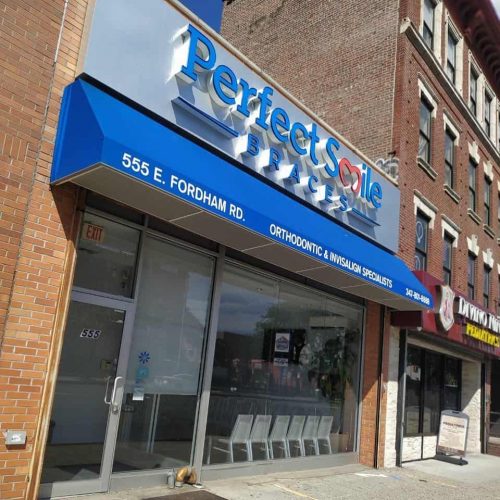
555 E FORDHAM RD BRONX, NY 10458
MONDAY TO FRIDAY 9:00 AM – 6:00 PM
SATURDAY 8:00 AM – 2:30 PM
B
D
4
Bx12
Bx12+
Bx9
Bx15
Bx17
Bx22
Bx41
Bx34 B Bx1
Bx2
BxM4
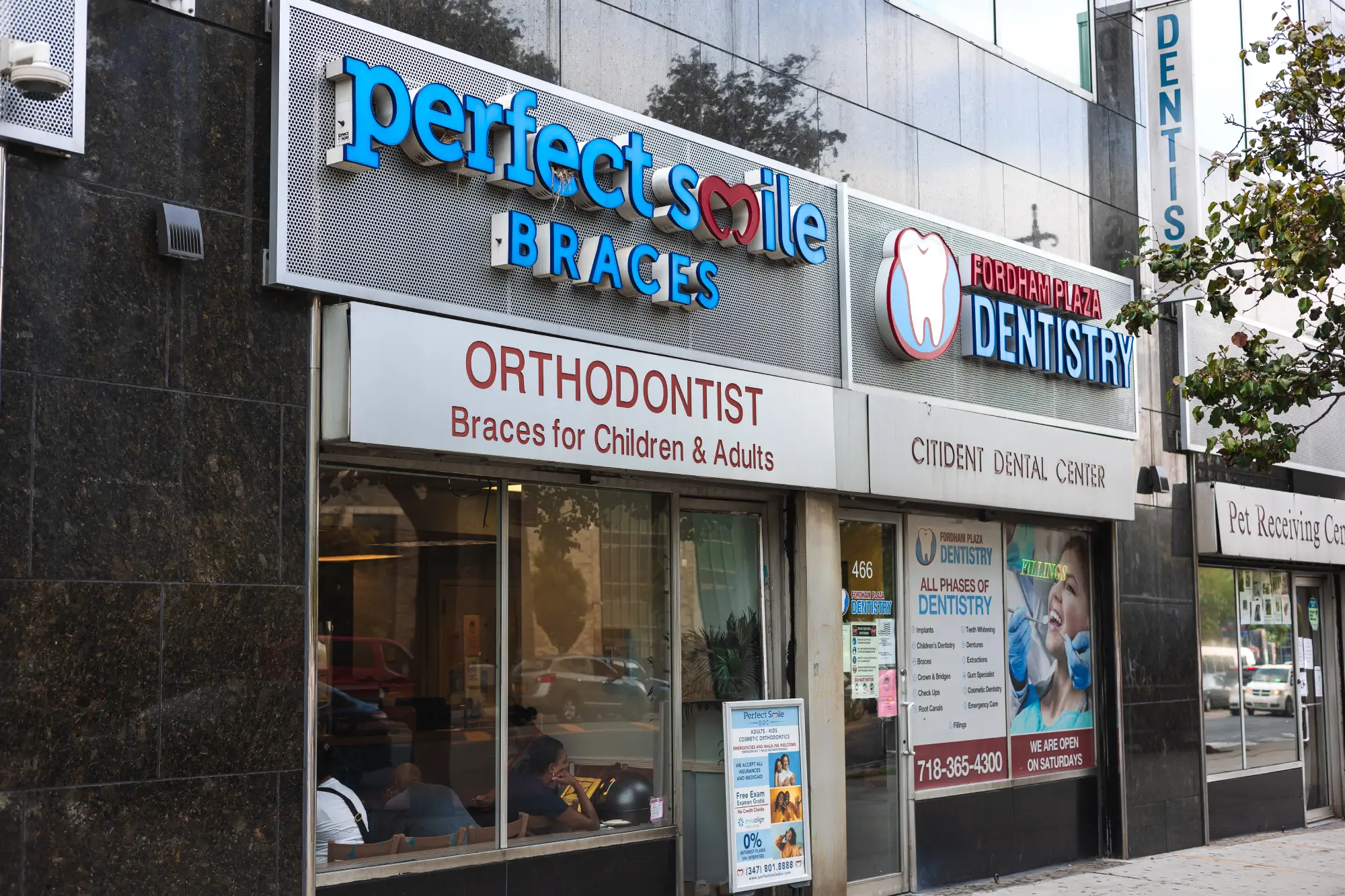
468 E FORDHAM RD BRONX, NY 10458
MONDAY TO FRIDAY 9:00 AM – 6:00 PM
SATURDAY 8:00 AM – 2:30 PM
B
D
4
Bx12
Bx12+
Bx9
Bx15
Bx17
Bx22
Bx41
Bx34
Bx1
Bx2
BxM4
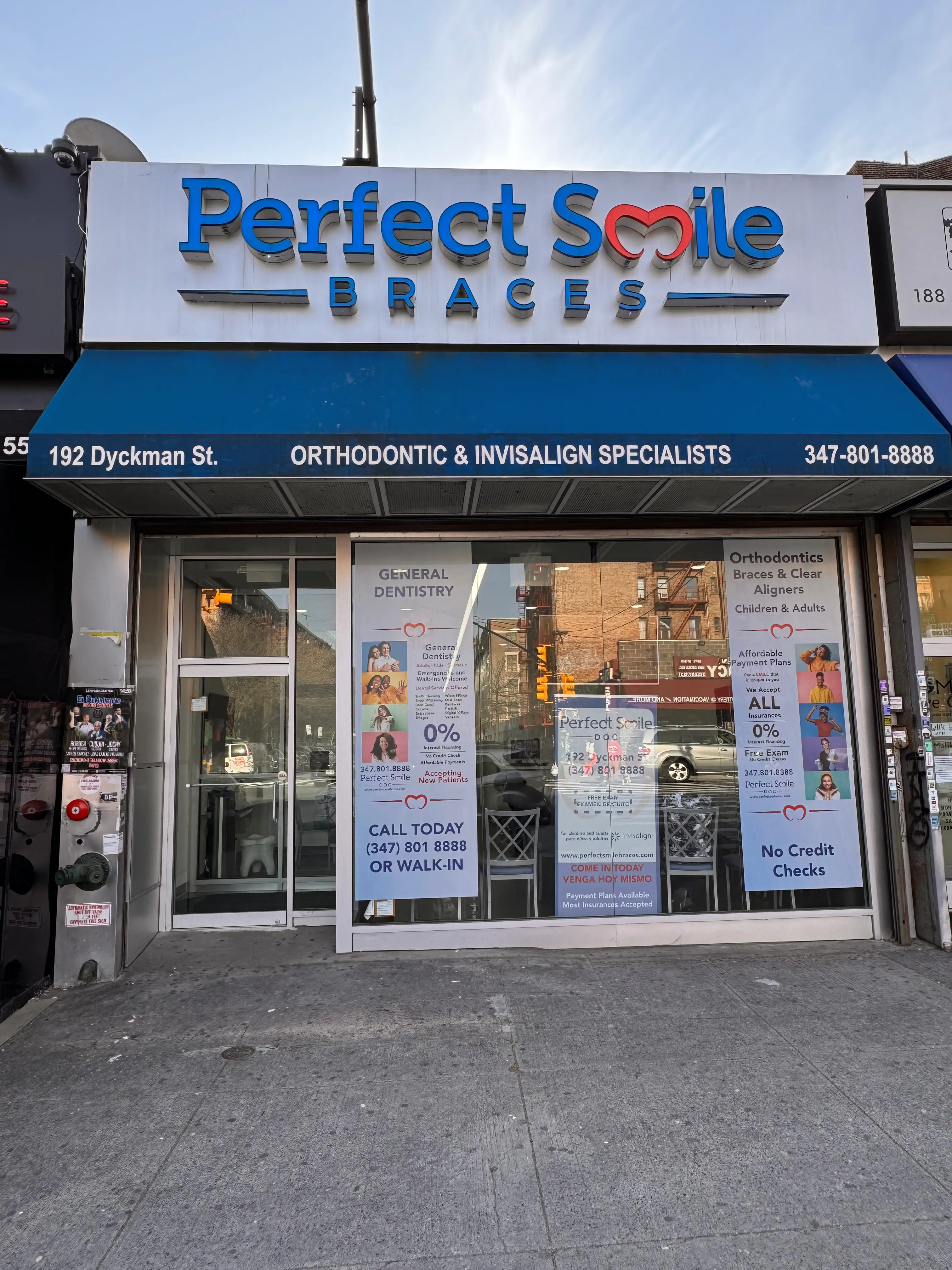
192 Dyckman St New York, NY 10040
MONDAY TO FRIDAY 9:00 AM – 6:00 PM
SATURDAY 8:00 AM – 2:30 PM
A
1
M100
Bx7
BxM1
Bx12
Bx12-SBS
Bx20
M3

Perfect Smile Doc provides orthodontic care, including braces, Invisalign, and retainers, for patients across the Bronx and Manhattan. Schedule your appointment today and experience our commitment to excellence and personalized care!
.svg)
.svg)
.svg)
© 2025. © Perfect Smile Doc Invisalign & Braces in the Bronx & Washington Heights | Privacy Policy | ADA Compliance
.jpg)