.svg)
.svg)
.svg)
Post
Secrets to Orthodontic Success: How to Keep Your Braces and Teeth Clean
Orthodontic braces can transform your smile—and your life. Teeth misalignment is more than a cosmetic concern: it can affect the precise fit of your bite, which can foster enamel wear and TMJ disorders, among other things. For that reason, patients visit an orthodontist in The Bronx looking for treatment.
Braces are a long-standing solution to malocclusion, but they do come with some challenges. Besides food restrictions, braces can make your regular brushing routine more complex. Improving your oral hygiene routine is a must to keep your smile clean while wearing them.

The Importance of Good Oral Hygiene During Your Braces Journey
When you are on the path to getting your dream smile, keeping optimal oral hygiene is key.
Poor oral hygiene habits can cause plaque, a sticky substance made of bacteria, on teeth. When you have braces, the brackets and wires create more surfaces where food and plaque can accumulate, making patients more prone to cavities even if they brush their teeth consistently.
Plaque buildup around braces can lead to demineralization, which appears as white spots on teeth. Besides being unsightly and permanent, these are the first signs of decay. Plaque buildup can also lead to gingivitis.
Orthodontists may pause treatment if decay progresses to allow fillings or other dental work. Severe cases might even require removing braces to treat the decay properly.
Also, poor oral hygiene combined with braces can cause bad breath and yellow teeth, making anyone feel self-conscious. Because of this, the extra effort to keep your smile in top condition is always worth it.
Good Oral Hygiene Tips for People with Braces
Good oral care practices are always important, but for people with braces, they are paramount to the success of their treatment. Luckily, nowadays, there are various tools and more information to help you keep your teeth with braces spotless.
Improve Your Brushing Technique
Food that gets stuck on your bracket and wires is the perfect source for cavity-causing bacteria. For that reason, if you want to maintain oral hygiene with braces, brush your teeth at least three times a day.
It’s important to brush your teeth after every snack or meal to remove food debris. If you drink a sugary drink, rinse your mouth with water afterward.
It’s not only about when to brush, though, but also about how you do it.
A 2023 randomized controlled trial published in the International Journal of Dental Hygiene examined a unique brushing technique for patients wearing orthodontic appliances. According to the trial, brushing with tiny circular motions at a 45-degree angle to the brackets and gum line reduces the amount of plaque accumulating between teeth and around the gums.
Continue doing these movements 15 to 20 times until you have cleaned every tooth, paying close attention to each one. Next, change the toothbrush's angle so you can brush under the wire and brackets.
Get Regular Dental Cleanings and Oral Exams
An important element of any orthodontic treatment is frequent dental visits.
Besides tightening your brackets and ensuring all teeth are moving as expected, our dentist will look for hidden gum disease or cavities that could put your treatment at risk. They’ll also assess any plaque buildup in your mouth and suggest a dental cleaning if necessary.
Dental cleaning is a treatment that aims to remove plaque and tartar buildup from all the surfaces of your teeth. By using special tools, dental professionals can remove buildup from areas where your toothbrush alone couldn’t reach, preventing large cavities, white spots on teeth, and several gum issues.
Dental cleanings are very simple, often lasting less than an hour.
Get the Right Flossing Tools
Without a doubt, wearing braces can make flossing a little demanding. However, that doesn’t mean you can skip this practice.
Studies show that most cavities emerge between teeth, so flossing with your braces is a must to keep your smile healthy. If the wires are making it harder, the dentist recommends trying alternative tools such as:
- Floss Threaders: Made of a plastic needle tied to your floss, this flexible alternative makes it easy to guide the thread under the wires.
- Super Floss: This product has three components: a stiffened end, spongy floss, and regular floss. It is ideal for cleaning around appliances, bridges, and braces.
- Water Flossers: These oral irrigators use a pressurized stream of water to remove debris and plaque. They’re excellent for cleaning around brackets and under the gumline.
- Interdental Brushes: They consist of small, cone-shaped brushes that fit between teeth and wires.
Whatever tool you find, remember to be careful: flossing carelessly can harm your gums, leading to irritation and bleeding.
Extra Tip: Keeping Your Retainers Shiny
The work doesn't end when the brackets are removed. Good oral hygiene is essential during the retention phase, when you wear retainers to keep your teeth in place. If you neglect it, months or even years of orthodontic work could be undone, according to a 2023 Cochrane review.
Keeping retainers clean is crucial—not just for hygiene but also to prevent cavities, bad breath, and gum irritation. To do so, we recommend cleaning them daily.
Rinse with lukewarm water to prevent plaque and saliva from hardening on the retainer. Then, use a soft toothbrush or retainer brush with mild dish soap. Avoid toothpaste, which can be abrasive and damage the retainer's surface.
Once or twice a week, soak your retainers in a retainer or denture cleaner. This helps effectively remove any leftover plaque buildup. Do not use hot water, which can warp plastic retainers.
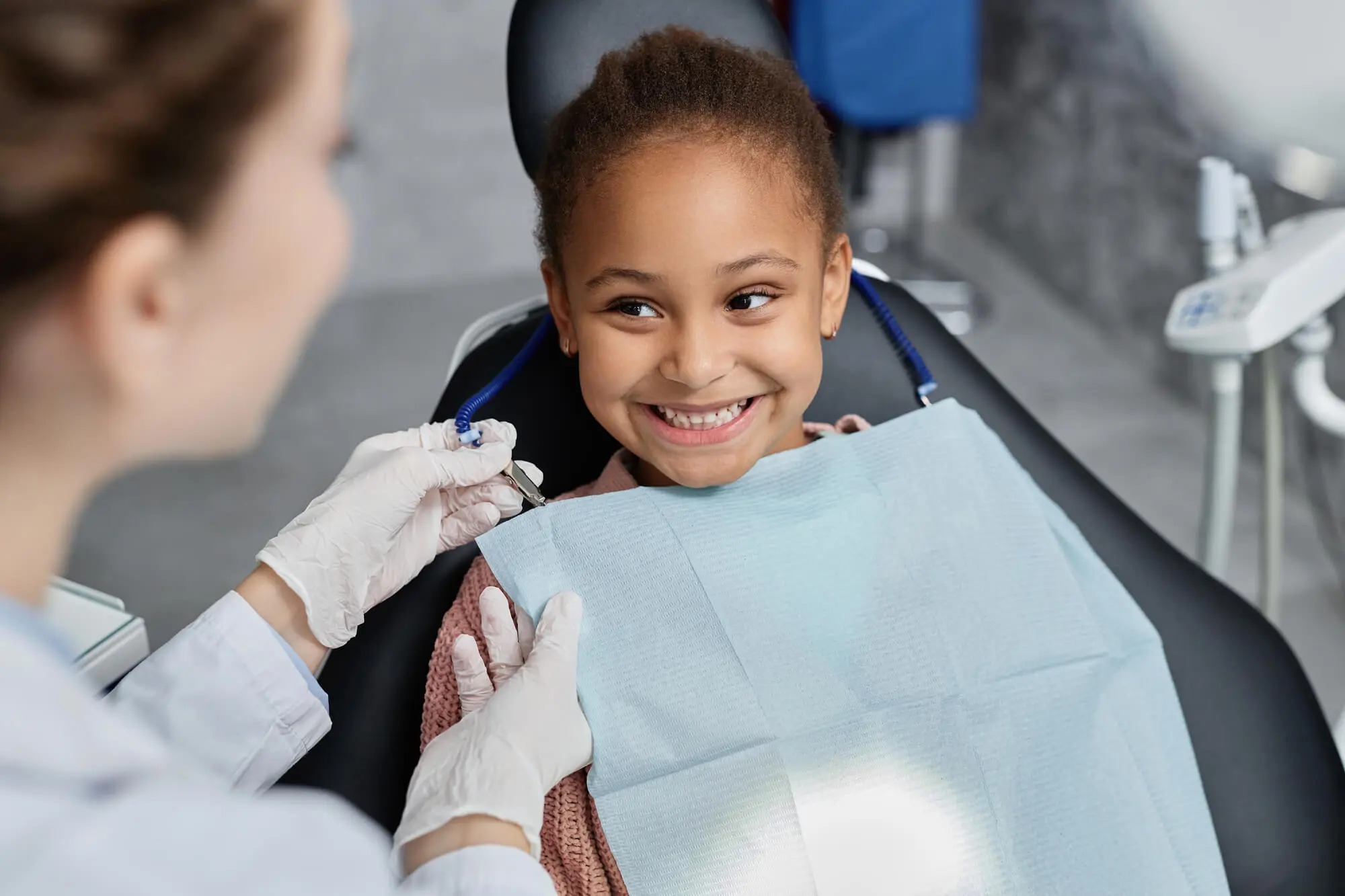
Follow These Tips from an Orthodontist from The Bronx and Ensure the Success of Your Treatment
With consistent oral hygiene with braces, anyone can prevent the detrimental aftermath of braces with consistent oral hygiene. While it may feel overwhelming at first, with the right tools and dedication, keeping your teeth behind all the wires and brackets is easier than it may sound.
If you have any doubts, the team at Perfect Smile Doc is here for you. If you’re due for a checkup or would like more information, contact us today!
Not Sure if You’re Covered?
Your Perfect Smile is within reach, and we're here to help you every step of the way. We can streamline the process for you by contacting your insurance company and acquiring a detailed breakdown of your specific plan information. Let us take the guesswork out of navigating insurance and payment options.
Learn More


555 E FORDHAM RD BRONX, NY 10458
MONDAY TO FRIDAY 9:00 AM – 6:00 PM
SATURDAY 8:00 AM – 2:30 PM
B
D
4
Bx12
Bx12+
Bx9
Bx15
Bx17
Bx22
Bx41
Bx34 B Bx1
Bx2
BxM4
468 E FORDHAM RD BRONX, NY 10458
MONDAY TO FRIDAY 9:00 AM – 6:00 PM
SATURDAY 8:00 AM – 2:30 PM
B
D
4
Bx12
Bx12+
Bx9
Bx15
Bx17
Bx22
Bx41
Bx34
Bx1
Bx2
BxM4
192 Dyckman St New York, NY 10040
MONDAY TO FRIDAY 9:00 AM – 6:00 PM
SATURDAY 8:00 AM – 2:30 PM
A
1
M100
Bx7
BxM1
Bx12
Bx12-SBS
Bx20
M3

Trust us to help you achieve the Perfect Smile of your dreams. Schedule your appointment today and experience our commitment to excellence and personalized care!
.svg)
.svg)
.svg)
© 2025. © Perfect Smile Doc Invisalign & Braces in the Bronx & Washington Heights | Privacy Policy | ADA Compliance