
.svg)
.svg)
.svg)
Post
The Importance of Baby Teeth: Caring for Your Child's Smile from the Start
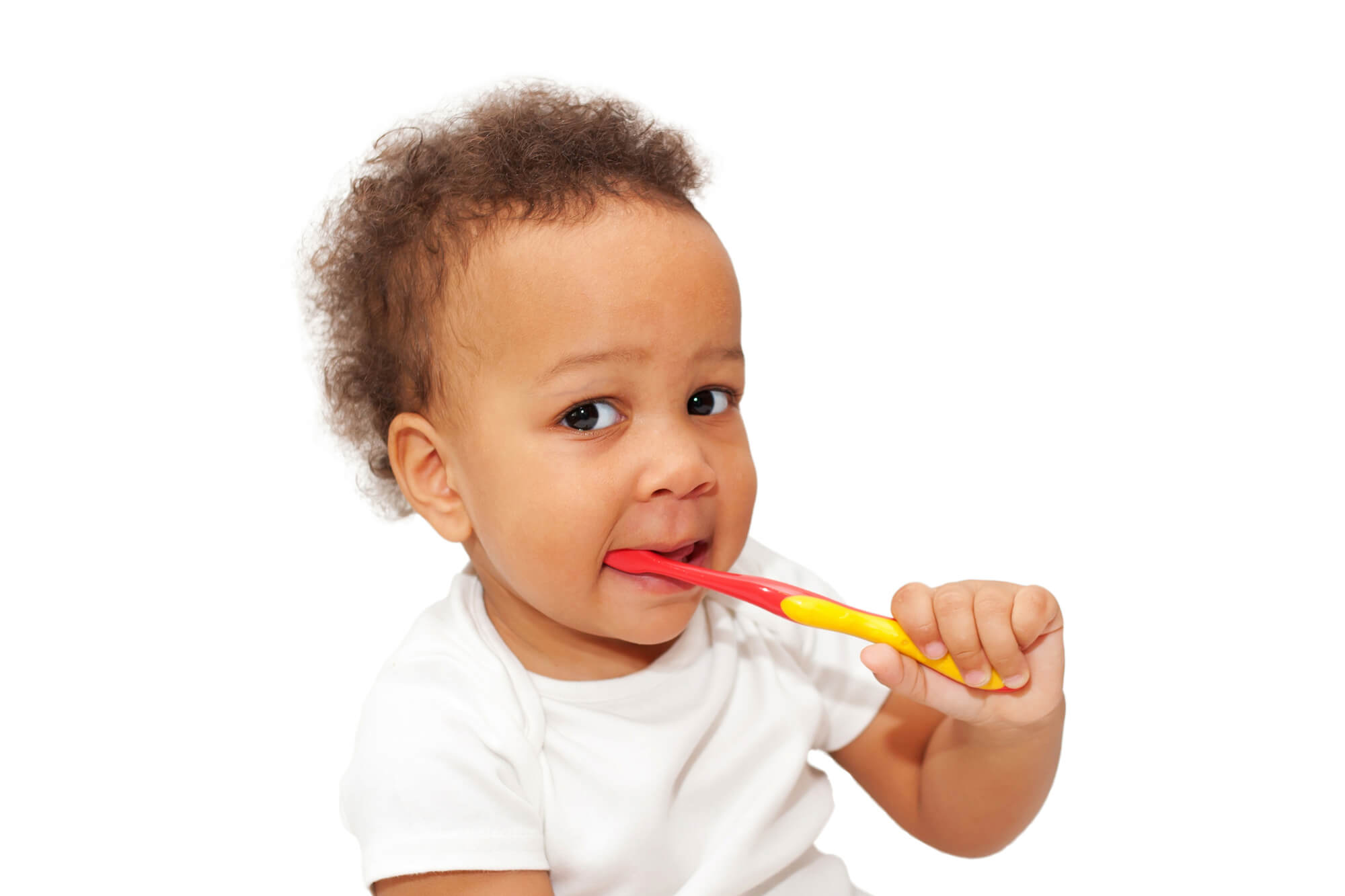
Those tiny pearly whites erupting through your child's gums might seem insignificant, but don't be fooled! Baby teeth, also known as primary teeth, play an important role in your child's overall development, far beyond just aesthetics. While they will eventually fall out, here at your Fordham Plaza dental clinic we know that taking care of them from the very beginning is vital for a healthy, happy smile that lasts a lifetime.
Let’s go over the reasons why it is important to pay attention from the beginning to your baby’s teething process and how to make it a better experience for them.
Why Baby Teeth Matter
Here's why your baby’s teeth deserve your attention from an early stage:
- Speech Development: Baby teeth help your child form sounds and speak clearly. The shape and placement of these teeth influence tongue movement, allowing them to practice pronunciation and develop proper speech patterns.
- Healthy Eating: Strong baby teeth allow children to chew a variety of foods effectively. This not only ensures proper nutrition but also sets the stage for healthy eating habits later in life.
- Jawbone Development: Baby teeth act as space holders for permanent teeth developing beneath the gum line. Taking care of baby teeth helps guide the permanent teeth into their correct positions, preventing crowding or misalignment in the future.
- Self-Esteem: A bright, healthy smile can boost your child's confidence. Having missing or decayed baby teeth can lead to self-consciousness and affect their social interactions.
- Oral Health Habits: Establishing good oral hygiene routines early on with baby teeth sets the foundation for a lifetime of healthy habits. This includes brushing and flossing regularly, which prevents cavities and promotes overall oral health.
Caring for Your Child's Smile: Tips and Techniques
Now that you understand the importance of baby teeth, here are some tips to ensure their health:
Start Early
Even before the first tooth erupts, you can gently wipe your child's gums with a damp washcloth after feedings to remove bacteria and promote healthy development. This simple step helps establish a cleaning routine from the very beginning.
Brushing Basics
Once the first tooth appears, use a soft-bristled infant toothbrush and a smear of fluoride toothpaste (the size of a grain of rice) to brush twice a day. As your child gets older, gradually increase the amount of toothpaste to a pea-sized amount and supervise brushing until they develop the dexterity to brush effectively on their own (around age 6-8).
Flossing
When your child has two teeth touching, it's time to introduce flossing. Use a gentle, floss threader or pre-threaded floss to clean between the teeth. Make flossing a fun and collaborative activity, especially in the early years.
Regular Checkups
Schedule dental checkups for your child starting around one year old. These visits to your Fordham Plaza dental clinic allow you to monitor development, identify potential issues early on, and answer any questions you may have. Early detection and treatment can prevent future problems and ensure a healthy smile.
Diet
Limit sugary drinks and processed foods, which can contribute to cavities. Encourage a healthy diet rich in fruits, vegetables, and calcium-rich foods to strengthen teeth. Offer water throughout the day to keep your child hydrated and help wash away food particles.
Positive Reinforcement
Make brushing and flossing a fun and positive experience. Use colorful toothbrushes with their favorite characters, sing songs together, and offer praise for good habits. Consider reward charts to motivate consistent oral hygiene routines.
Lead by Example
Children learn by observing their parents. Brush and floss your own teeth regularly in front of your child and let them see how important oral hygiene is for everyone in the family.

Addressing Common Concerns: Your Baby Teeth Q&A
Many parents have questions about baby teeth. Here's a Q&A addressing some of the most common concerns to put your worries at ease:
Q: What if my child gets a cavity in a baby tooth?
Don't ignore cavities in baby teeth, even though they will eventually fall out. Cavities can cause pain and discomfort, making it difficult for your child to chew and potentially leading to sleep problems. Early treatment of cavities in baby teeth also helps prevent the infection from spreading to developing permanent teeth below the gum line.
Q: When should I stop my child's pacifier use or thumb-sucking?
Prolonged pacifier use or thumb sucking after a certain age (around 2-4 years old) can cause misalignment of teeth. This can lead to future orthodontic treatment to correct crowding or gaps. If you're concerned about your child's sucking habits, talk to your dentist. They can offer gentle weaning strategies and monitor your child's jaw development.
Q: What happens if my child loses a baby tooth too early?
Early loss of a baby tooth can cause the remaining teeth to shift, affecting the eruption of permanent teeth. This can lead to crowding or difficulty with proper alignment. Early loss can also impact speech development and chewing ability. Consult your dentist to discuss options in such cases, like spacers or retainers, which can help maintain space for permanent teeth to erupt properly.
Q: How can I soothe my baby's discomfort?
Teething is a normal part of development and can cause a variety of symptoms in babies, including fussiness, drooling, and difficulty sleeping. Teething rings and cool washcloths can help soothe your baby's gums. There are also safe over-the-counter pain relievers available for infants, but always consult your pediatrician before administering any medication.
Q: What should my child's diet be like to promote healthy teeth?
A healthy diet is crucial for strong teeth and gums, even for babies. Once your child starts eating solid foods, limit sugary drinks and processed foods, which can contribute to cavities. Encourage a diet rich in fruits, vegetables, and calcium-rich foods like dairy products to provide the essential nutrients for healthy tooth development.

Building a Healthy Smile With Your Fordham Plaza Dental Clinic
By prioritizing your child's baby teeth and establishing good oral hygiene habits early on, you're laying the foundation for a healthy, confident smile that lasts a lifetime. Remember, your dentist is your partner in this journey.
Schedule regular checkups and discuss any concerns you may have to ensure your child's smile thrives throughout every stage of development. Ready to get started? Contact Perfect Smile Doc today to schedule a consultation for your child!
Not Sure if You’re Covered?
Your Perfect Smile is within reach, and we're here to help you every step of the way. We can streamline the process for you by contacting your insurance company and acquiring a detailed breakdown of your specific plan information. Let us take the guesswork out of navigating insurance and payment options.
Learn More


555 E FORDHAM RD BRONX, NY 10458
MONDAY TO FRIDAY 9:00 AM – 6:00 PM
SATURDAY 8:00 AM – 2:30 PM
B
D
4
Bx12
Bx12+
Bx9
Bx15
Bx17
Bx22
Bx41
Bx34 B Bx1
Bx2
BxM4
468 E FORDHAM RD BRONX, NY 10458
MONDAY TO FRIDAY 9:00 AM – 6:00 PM
SATURDAY 8:00 AM – 2:30 PM
B
D
4
Bx12
Bx12+
Bx9
Bx15
Bx17
Bx22
Bx41
Bx34
Bx1
Bx2
BxM4

192 Dyckman St New York, NY 10040
MONDAY TO FRIDAY 9:00 AM – 6:00 PM
SATURDAY 8:00 AM – 2:30 PM
A
1
M100
Bx7
BxM1
Bx12
Bx12-SBS
Bx20
M3

Perfect Smile Doc provides orthodontic care, including braces, Invisalign, and retainers, for patients across the Bronx and Manhattan. Schedule your appointment today and experience our commitment to excellence and personalized care!
.svg)
.svg)
.svg)
© 2025. © Perfect Smile Doc Invisalign & Braces in the Bronx & Washington Heights | Privacy Policy | ADA Compliance
