.svg)
.svg)
.svg)
Post
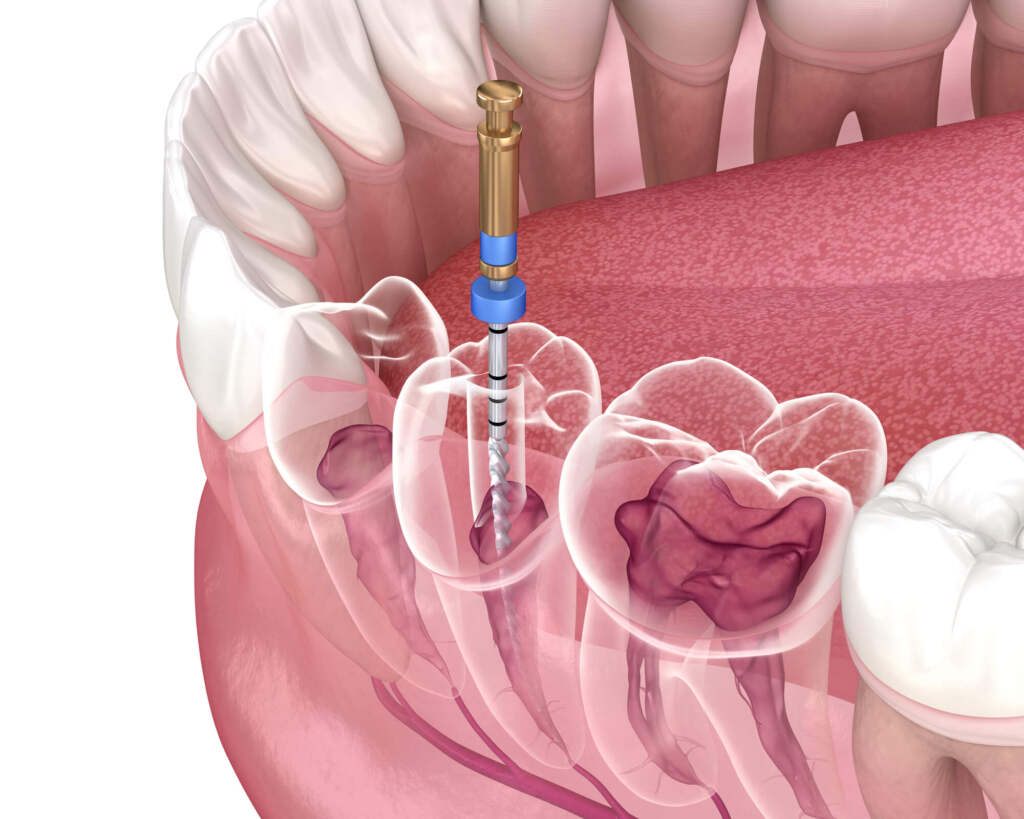
Understanding the Basics: What Is a Root Canal?
If you've been informed that you need a root canal procedure in Washington Heights, NY, you might be seeking clarity about this treatment. But before learning more about the procedure, you should know that despite common misconceptions, root canals can save your tooth and alleviate discomfort.
Here, we'll explore what a root canal is, why you might need one, and debunk common myths surrounding the procedure. Armed with accurate information, you'll be better equipped to make decisions about your dental health.
Anatomy of a Tooth
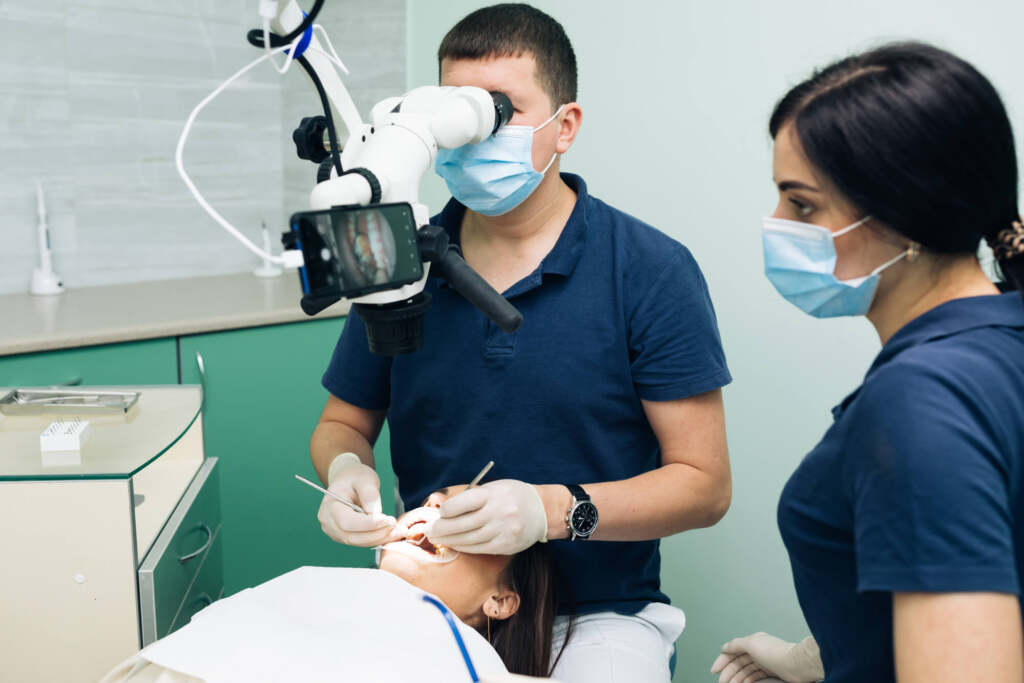
Understanding the anatomy of a tooth lays the groundwork for comprehending the purpose and benefits of dental procedures like root canals.
Structure of a Tooth
At its core, a tooth consists of several distinct layers, each serving a specific function in maintaining its integrity and functionality:
- Enamel: This is the outermost layer of the tooth, known for its hardness and durability. The enamel protects the inner layers of the tooth from external factors such as bacteria and acids.
- Dentin: Beneath the enamel lies the dentin, a yellowish substance that makes up the bulk of the tooth's structure. Dentin is not as hard as enamel but still provides significant support and protection.
- Pulp: Deep within the tooth, in the central chamber and root canals, lies the pulp. This soft tissue contains blood vessels, nerves, and connective tissue, nourishing the tooth and providing sensory functions.
Role of the Pulp
The pulp acts as the tooth's lifeline, providing essential nutrients and sensory feedback. When the pulp becomes infected or inflamed, a root canal procedure in Washington Heights, NY becomes necessary to address these issues and save the tooth from extraction.
What Is a Root Canal?
A root canal is a dental procedure designed to treat infected or severely decayed teeth, preserving them and preventing further complications. This procedure is necessary when the pulp becomes infected or inflamed.
What’s the Purpose of a Root Canal?
The primary purpose of a root canal is to save a tooth that would otherwise need to be extracted due to severe infection or decay. By removing the infected pulp and sealing the tooth, a root canal can alleviate pain, prevent the spread of infection to surrounding tissues, and restore the tooth's strength and functionality.
Importance of Preserving Natural Teeth
Natural teeth are essential for chewing, speaking, and ensuring the proper alignment of surrounding teeth. Additionally, preserving natural teeth through procedures like root canals can help avoid the need for more invasive treatments such as extractions or dental implants.
Besides, natural teeth stimulate the jawbone, helping to preserve its strength and density. Losing a tooth can lead to bone loss in the jaw, which can affect facial structure and cause additional dental problems over time. That’s why preserving natural teeth whenever possible is essential for long-term oral health and overall quality of life.

When You Might Need a Root Canal
Deep Decay
If a cavity is left untreated, it can progress deeper into the tooth, reaching the pulp chamber where the nerves and blood vessels are located. Once the pulp becomes infected, a root canal may be necessary to remove the infected tissue and save the tooth.
Trauma
A physical injury to the tooth, such as a crack or fracture, can expose the pulp to bacteria, leading to infection or inflammation. In such cases, a root canal may be required to address the damage and prevent further complications.
Repeated Dental Procedures
Sometimes, a tooth may undergo multiple dental procedures (such as fillings or crowns) which can weaken the tooth's structure and make it more susceptible to infection. If the pulp becomes compromised, a root canal may be the only option to save the tooth.
Gum Disease
Advanced gum disease can cause the gums to recede, exposing the roots of the teeth and making them vulnerable to infection. If the infection reaches the pulp, you might need a root canal.
Cracks or Chips
Even without visible decay, small cracks or chips in the tooth can provide an entry point for bacteria, leading to infection or inflammation of the pulp.
Symptoms Indicating the Need for a Root Canal
Persistent tooth pain, sensitivity to hot or cold temperatures, swelling, and tenderness in the gums are common indicators of dental issues requiring attention. These symptoms often signal infection or inflammation within the tooth, prompting the need for a root canal to alleviate discomfort and prevent further complications.
Common Myths and Misconceptions
When learning about root canals, it's essential to address false beliefs and misconceptions to ensure patients make informed decisions about their dental health.
Root Canals Are Painful
One of the most prevalent myths is that root canals are extremely painful. In reality, advancements in dental technology and anesthesia have made root canal procedures in Washington Heights, NY, relatively comfortable. Patients may experience some discomfort during recovery, but the procedure itself is not inherently painful.
Root Canals Cause Illness
Another common misconception is the belief that root canals can lead to systemic illness. This myth originated from outdated research that has since been debunked. Root canal procedures are safe and effective at removing infection from the tooth, with no evidence linking them to systemic health issues.
Root Canals Weaken Teeth
Some people believe that root canal-treated teeth are weaker and more prone to fractures. However, a tooth that has undergone a root canal procedure is typically reinforced with a dental crown, which restores its strength and function. With proper care, a root canal-treated tooth can last a lifetime.
Extraction Is Better Than a Root Canal
There is a misconception that extracting a tooth is a better option than undergoing a root canal. However, preserving natural teeth whenever possible is always preferable for maintaining oral health and function. Root canal treatment allows patients to retain their natural teeth and avoid the need for more invasive procedures like dental implants.
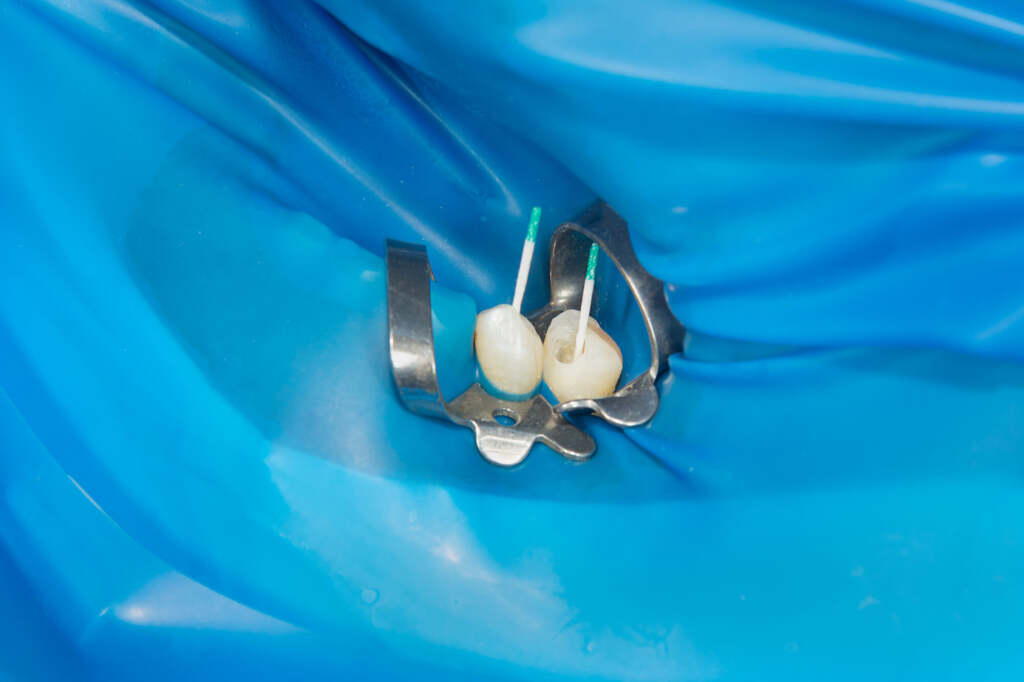
Preserve Your Smile with a Root Canal Procedure in Washington Heights, NY
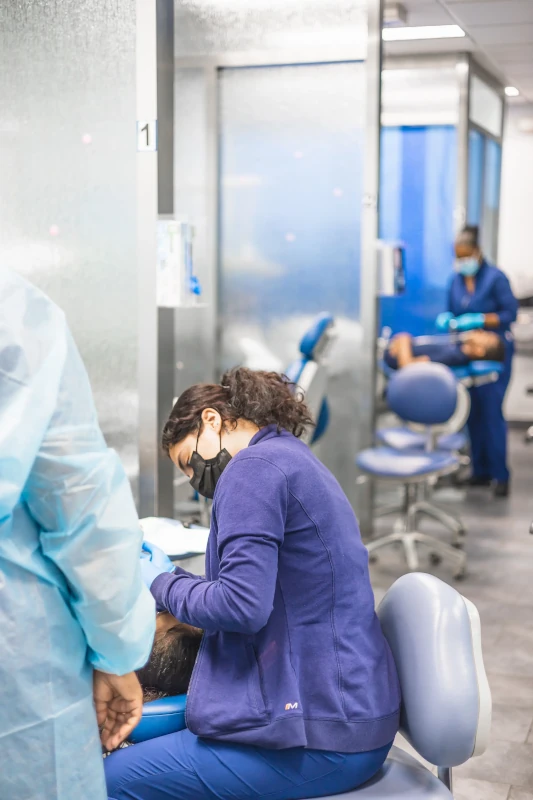
If you're considering root canal treatment to preserve your tooth and alleviate discomfort, Perfect Smile Braces is here to help. Our experienced team offers comprehensive root canal services to ensure your dental health is in expert hands. Schedule a consultation today to learn more about how we can help you achieve a healthy, beautiful smile.
Not Sure if You’re Covered?
Your Perfect Smile is within reach, and we're here to help you every step of the way. We can streamline the process for you by contacting your insurance company and acquiring a detailed breakdown of your specific plan information. Let us take the guesswork out of navigating insurance and payment options.
Learn More

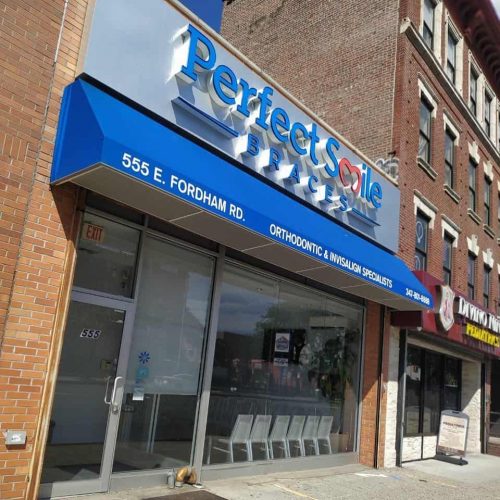
555 E FORDHAM RD BRONX, NY 10458
MONDAY TO FRIDAY 9:00 AM – 6:00 PM
SATURDAY 8:00 AM – 2:30 PM
B
D
4
Bx12
Bx12+
Bx9
Bx15
Bx17
Bx22
Bx41
Bx34 B Bx1
Bx2
BxM4
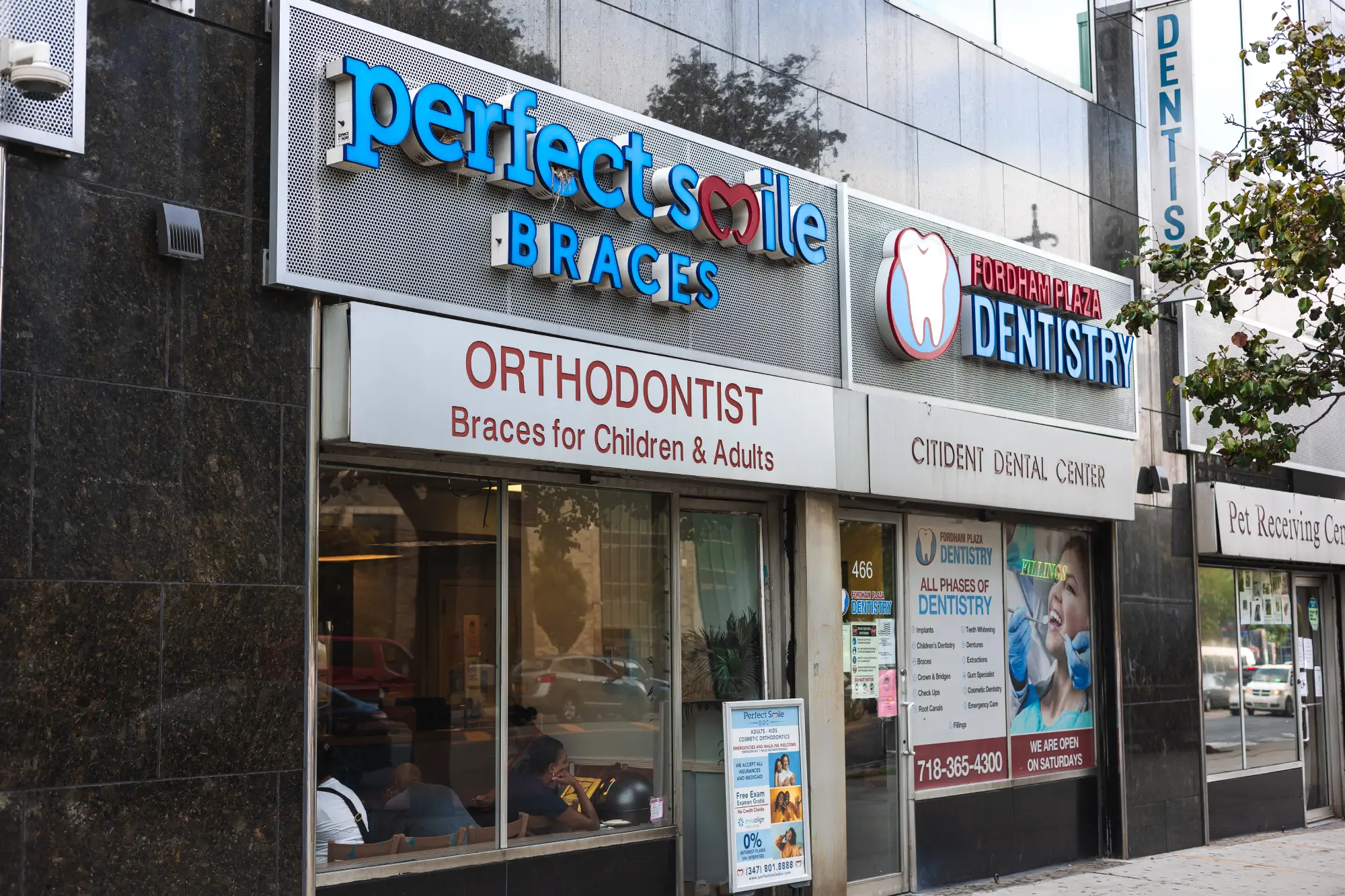
468 E FORDHAM RD BRONX, NY 10458
MONDAY TO FRIDAY 9:00 AM – 6:00 PM
SATURDAY 8:00 AM – 2:30 PM
B
D
4
Bx12
Bx12+
Bx9
Bx15
Bx17
Bx22
Bx41
Bx34
Bx1
Bx2
BxM4
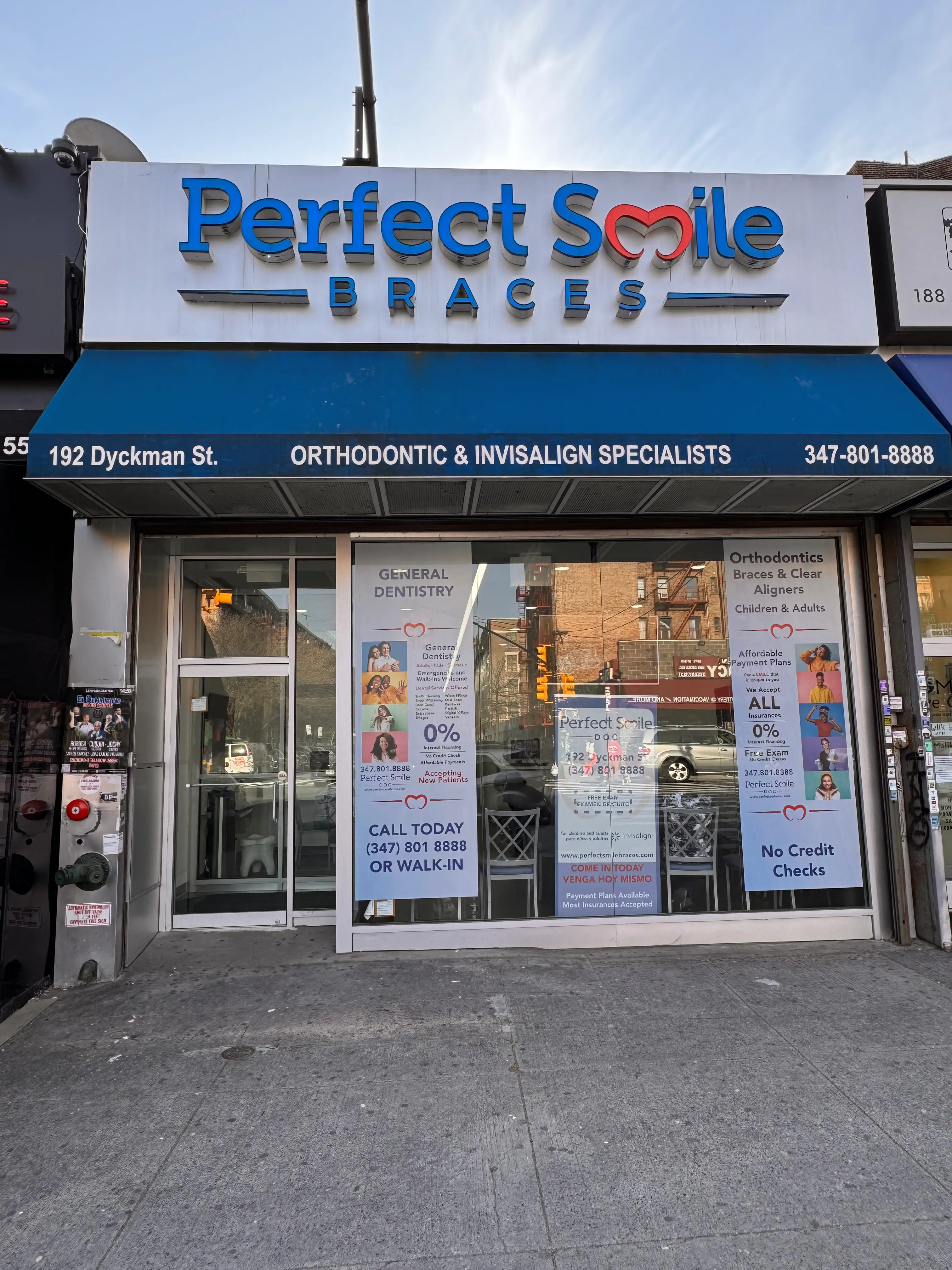
192 Dyckman St New York, NY 10040
MONDAY TO FRIDAY 9:00 AM – 6:00 PM
SATURDAY 8:00 AM – 2:30 PM
A
1
M100
Bx7
BxM1
Bx12
Bx12-SBS
Bx20
M3

Perfect Smile Doc provides orthodontic care, including braces, Invisalign, and retainers, for patients across the Bronx and Manhattan. Schedule your appointment today and experience our commitment to excellence and personalized care!
.svg)
.svg)
.svg)
© 2025. © Perfect Smile Doc Invisalign & Braces in the Bronx & Washington Heights | Privacy Policy | ADA Compliance