.svg)
.svg)
.svg)
Post
Dental Sealants: A Simple, Cost-Effective Solution to Prevent Childhood Cavities
It is a widely known fact that children are more prone to getting cavities. A passion for sweets, combined with bad oral hygiene habits, makes the perfect recipe for tooth decay, causing toothaches that have you visiting the pediatric dentist in the Bronx, NY, several times a year.
While dentists can easily restore the health of a decayed tooth with a filling, oftentimes, preventing tooth decay from happening in the first place is the most effective and affordable treatment option. That's why we recommend dental sealants, a simple protective coating that prevents bacteria from impacting your child's smile.
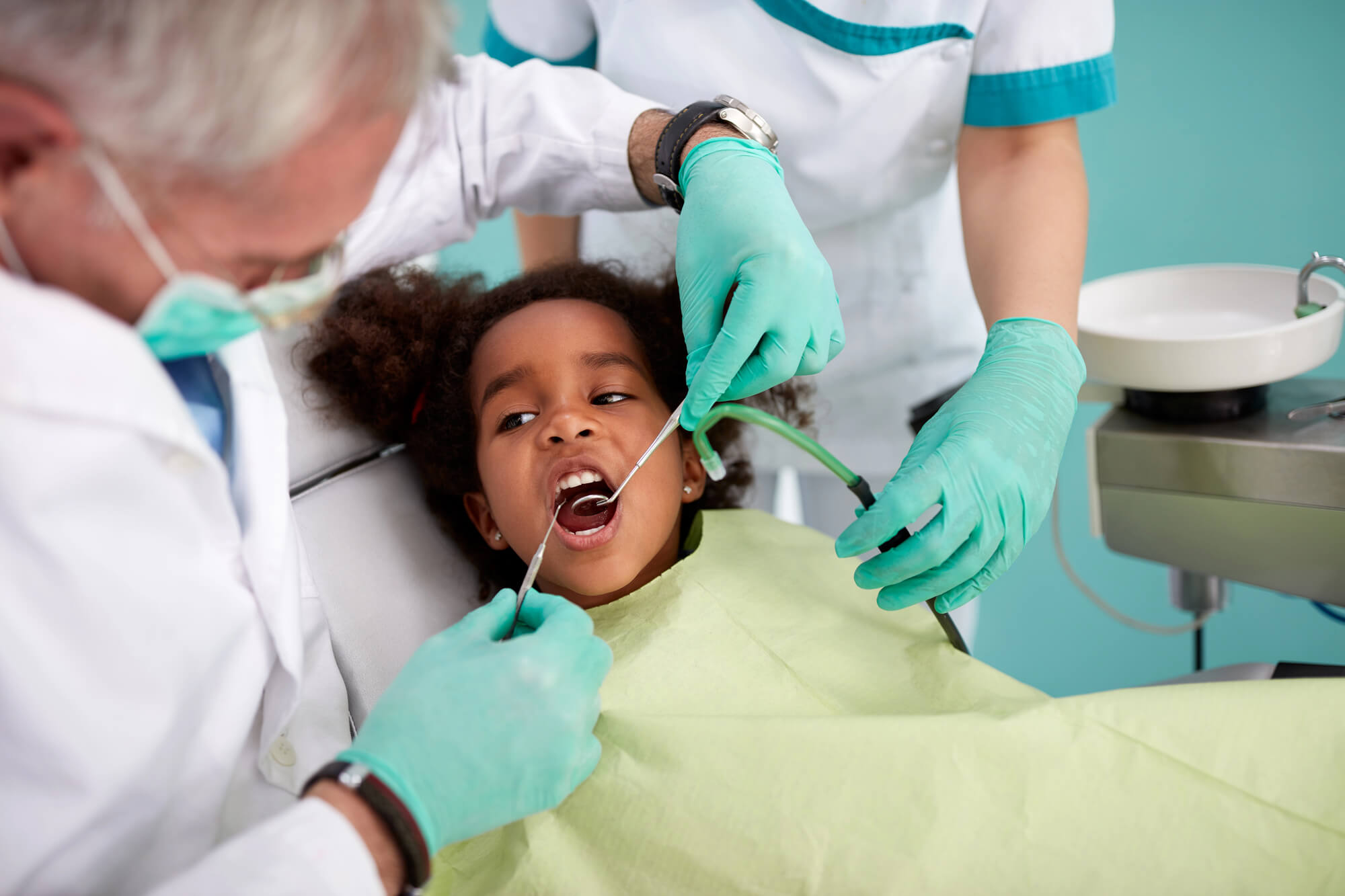
What Are Dental Sealants?
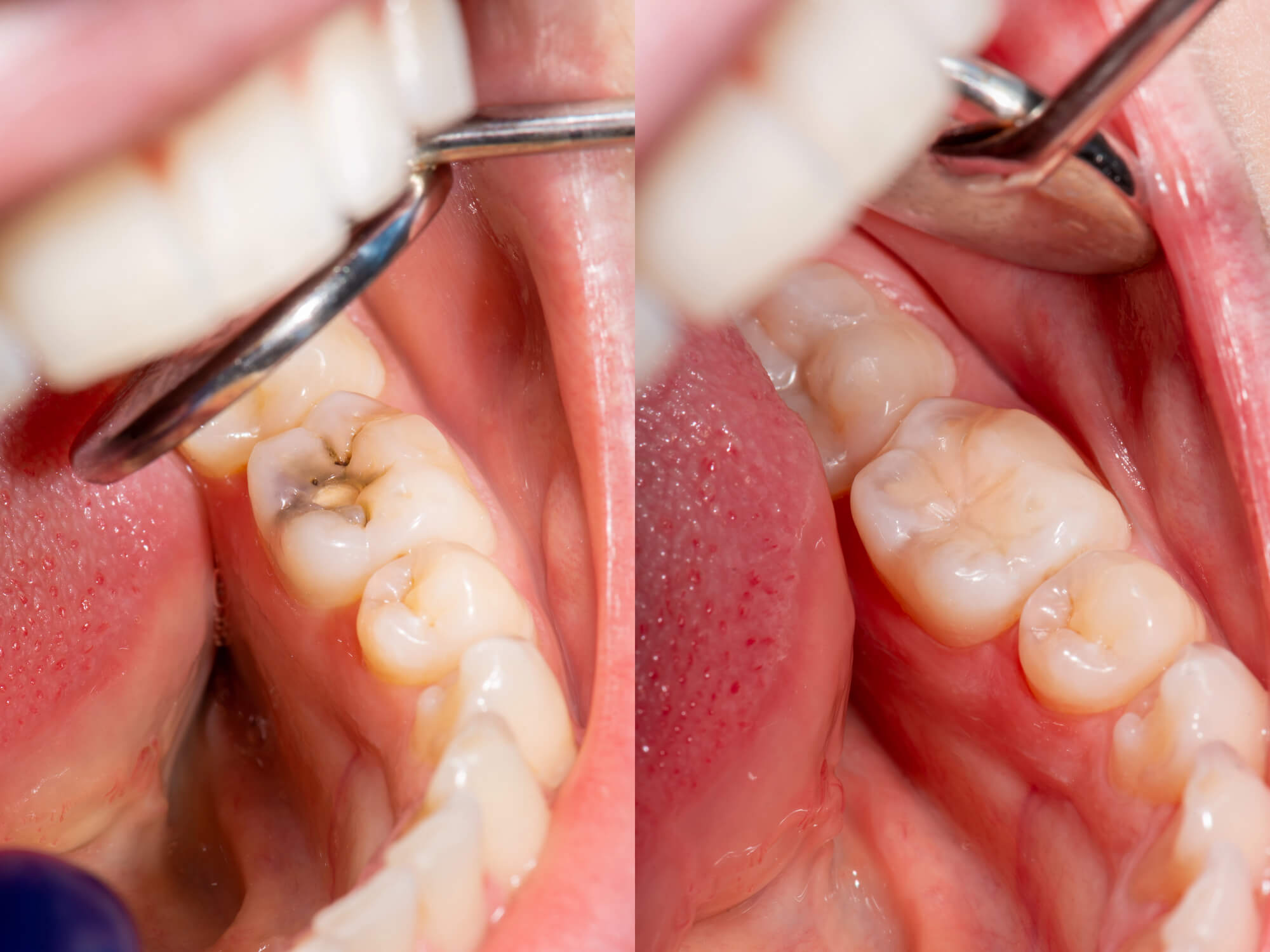
Dental sealants are thin, protective coatings that keep cavity-causing bacteria away from the chewing surfaces of back teeth. It is a preventive treatment, meaning that rather than treating problems, its goal is to stop them from occurring. Dentists or hygienists often place sealants.
Our back teeth, or third molars, have deep grooves that help us grind up food when we chew. However, they're also a place where food debris can easily accumulate, offering a breeding ground for decay-fostering bacteria, especially among children.
Besides struggling to maintain good oral hygiene habits, children's enamel is developing, making it more susceptible to bacteria. That's why pediatric dentists recommend dental sealants, which cover these areas so decay can't reach them.
Are Sealants Truly Effective?
Yes, sealants do work to prevent cavities. According to a 2016 Centers for Disease Control and Prevention (CDC) study, "children without sealants had almost three times more cavities in permanent first molars compared with children with sealants."
So, sealants can stop 80% of cavities in permanent molars (where 9/10 cavities form) if applied precisely and appropriately. Typically, children should get sealants on their permanent molars and premolars when these teeth come in.
This way, the dental sealants will shield their teeth during the cavity-prone years (ages 6-14). Primary (baby) teeth may occasionally also benefit from dental sealants. Baby teeth are crucial for providing space for adult (permanent) teeth, so it is critical to maintain their health to prevent premature loss.
How's the Process for Getting Dental Sealants?
Dental sealants do not require any preparation on your part. During a standard office visit, your dentist or hygienist will place them. Here's what the sealant placement process looks like:
- Thoroughly clean your child's teeth. This lessens the chance of bacteria getting stuck between the surfaces of your teeth and the sealant material. Applying sealants over a decayed tooth will only trap the infection, allowing it to foster, so ensuring your child is in good health is key.
- Dry their teeth and place a piece of cotton gauze to keep the surfaces dry.
- To roughen the chewing surfaces of your teeth, paint a small amount of an acid etching solution on them. This will help the sealants bond properly.
- Cleanse and dry their teeth.
- Paint the sealant material onto their enamel, which will bond with the tooth.
- Use a curing light to harden the sealant material.
After sealant placement, there's no downtime. Your child will be able to go back to work or school immediately. Moreover, they can eat and drink all of their favorite foods right after their appointment. However, avoiding eating extremely hard, sticky, or chewy foods too often is important, as they can chip or erode their new sealants and natural teeth!—over time.
Frequently Asked Questions About Dental Sealants
Are you still unsure about this treatment? Here are some sealant FAQs to help you understand them in more detail.
How Long Do Tooth Sealants Last?
Sealants can last for up to five years. They may last less if your child:
- Grinds their teeth
- Has acid reflux
- Eats a highly acidic diet
For optimal results, you should have your child's sealants changed frequently.
How Common Are Sealants?
Sealants are one of the most popular preventive dentistry procedures nowadays. Approximately 48% of adolescents aged 12 to 19 and 42% of children aged 6 to 11 in the United States have dental sealants on their adult (permanent) teeth.
What Are Dental Sealants Made of?
Manufacturers use a couple of different materials to make sealants, including medical-grade materials:
- Resins (plant or synthetic).
- Glass ionomers (glass powder combined with a water-soluble acid).
How Should My Child Care for Their Sealants?
Dental sealants are simple to take care of. They should brush and floss them, just like natural teeth. We recommend using a toothbrush with soft bristles and toothpaste that contains a remineralizing agent, like fluoride.
Unlike fillings, sealants can stain, especially if they consume a lot of food with colorants or things like berries. Moreover, they can "pop" off when they eat sticky, gummy, or chewy foods. So, take this opportunity to slowly decrease candy from their diets!
Are There Any Risks to Dental Sealants?
No, sealants have no associated risks. However, they can lead to unwanted consequences, such as patients relaxing their oral hygiene routines too much.
While the application of sealants can effectively help prevent tooth decay in kids, they are not a substitute for brushing, flossing, and a healthy diet. Moreover, sealants don’t cover all your child’s teeth: they only protect the back molars.
For that reason, instructing them on the importance of good oral hygiene habits is fundamental to protect their oral health long-term!
Can My Child Get Sealants Before a Braces Treatment?
Yes, in fact, sealants are often recommended for children getting braces. The brackets and wires can make it harder for children—and adults too!—to brush and floss their teeth properly. However, plaque accumulation can put their orthodontic treatment at risk. To prevent that, we place sealants in some of your child's teeth before applying the braces.

Protect Your Child's Smile with a Pediatric Dentist in the Bronx, NY
Sealants are a safe and effective way to reduce your or your child's risk of cavities. They're a long-term investment, as they are less costly than decay-eliminating treatments such as fillings, tooth extractions, or crowns. But, more importantly, they protect your child's smile for years to come.
Sadly, sealants are not for everyone. People with partially erupted (grown-in) teeth can't benefit from them yet. If you'd like to explore whether or not this treatment can be a solution for your child, contact Perfect Smile Doc today!
Not Sure if You’re Covered?
Your Perfect Smile is within reach, and we're here to help you every step of the way. We can streamline the process for you by contacting your insurance company and acquiring a detailed breakdown of your specific plan information. Let us take the guesswork out of navigating insurance and payment options.
Learn More


555 E FORDHAM RD BRONX, NY 10458
MONDAY TO FRIDAY 9:00 AM – 6:00 PM
SATURDAY 8:00 AM – 2:30 PM
B
D
4
Bx12
Bx12+
Bx9
Bx15
Bx17
Bx22
Bx41
Bx34 B Bx1
Bx2
BxM4
468 E FORDHAM RD BRONX, NY 10458
MONDAY TO FRIDAY 9:00 AM – 6:00 PM
SATURDAY 8:00 AM – 2:30 PM
B
D
4
Bx12
Bx12+
Bx9
Bx15
Bx17
Bx22
Bx41
Bx34
Bx1
Bx2
BxM4
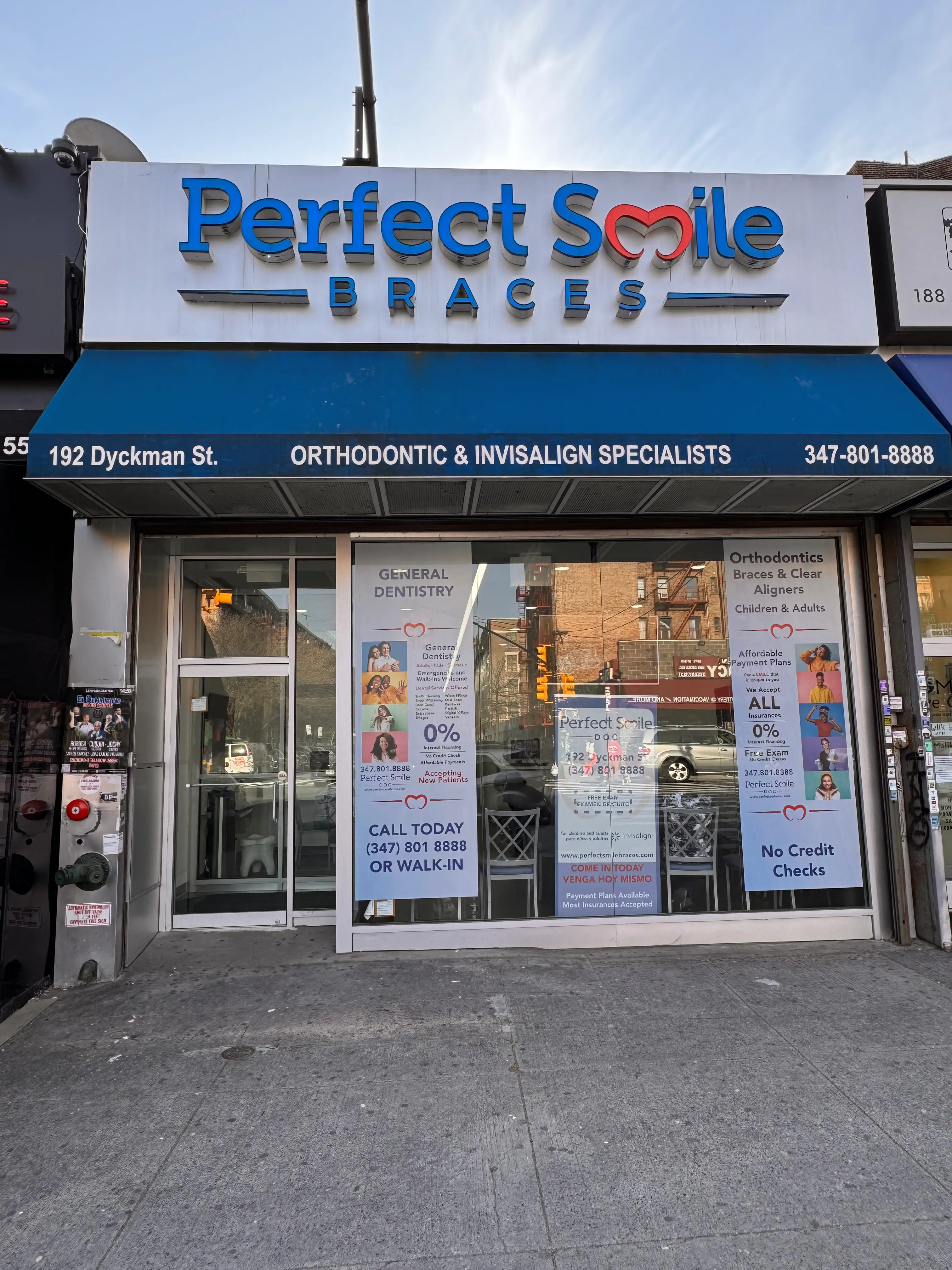
192 Dyckman St New York, NY 10040
MONDAY TO FRIDAY 9:00 AM – 6:00 PM
SATURDAY 8:00 AM – 2:30 PM
A
1
M100
Bx7
BxM1
Bx12
Bx12-SBS
Bx20
M3

Trust us to help you achieve the Perfect Smile of your dreams. Schedule your appointment today and experience our commitment to excellence and personalized care!
.svg)
.svg)
.svg)
© 2025. © Perfect Smile Doc Invisalign & Braces in the Bronx & Washington Heights | Privacy Policy | ADA Compliance